
 29th September
 Available Spots
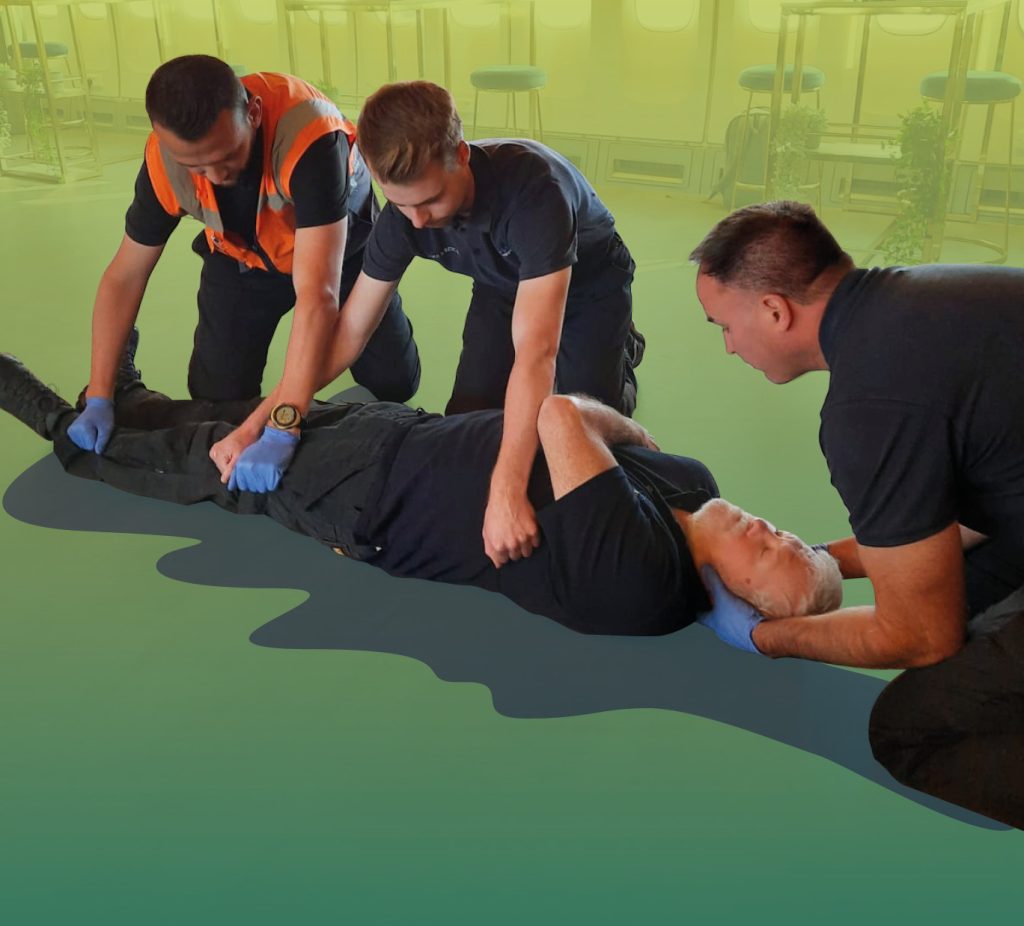
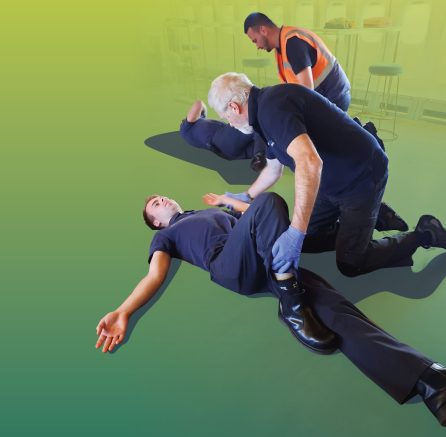
EFAW – 1 Day Emergency First Aid at Work 29th September 2026
 11th - 25th November
Available Spots
11th - 25th November
Available Spots
Award in Education and Training (AET) 11th November 2026
Advance your teaching career with the Level 3 AET course - a practical, recognised qualification that gives you the skills and confidence to teach in further education and training.
 18th November
Available Spots
18th November
Available Spots
Certificate in Assessing Vocational Achievement (CAVA) 18th November 2026
Boost your career with the Level 3 CAVA course and gain the skills to confidently assess learners in vocational and workplace settings.
 7th - 10th December
Available Spots
7th - 10th December
Available Spots
Level 4 Award in the Internal Quality Assurance of Assessment Processes and Practice (IQA) 7th December 2026
Advance your career with the Level 4 IQA qualification and gain the expertise to oversee assessment quality.
 21st - 25th September
Limited Places
21st - 25th September
Limited Places
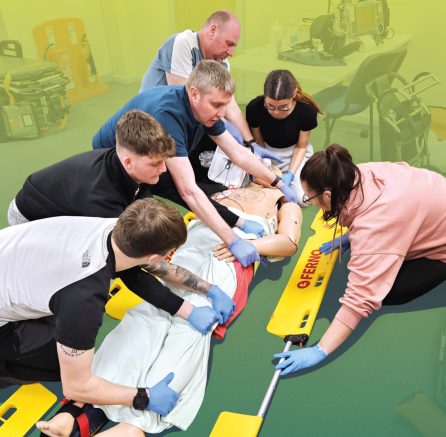
FREC 3 – Level 3 First Response Emergency Care (21-25 September 2026)
Qualsafe Level 3 Award in First Response Emergency Care from CMS Training.
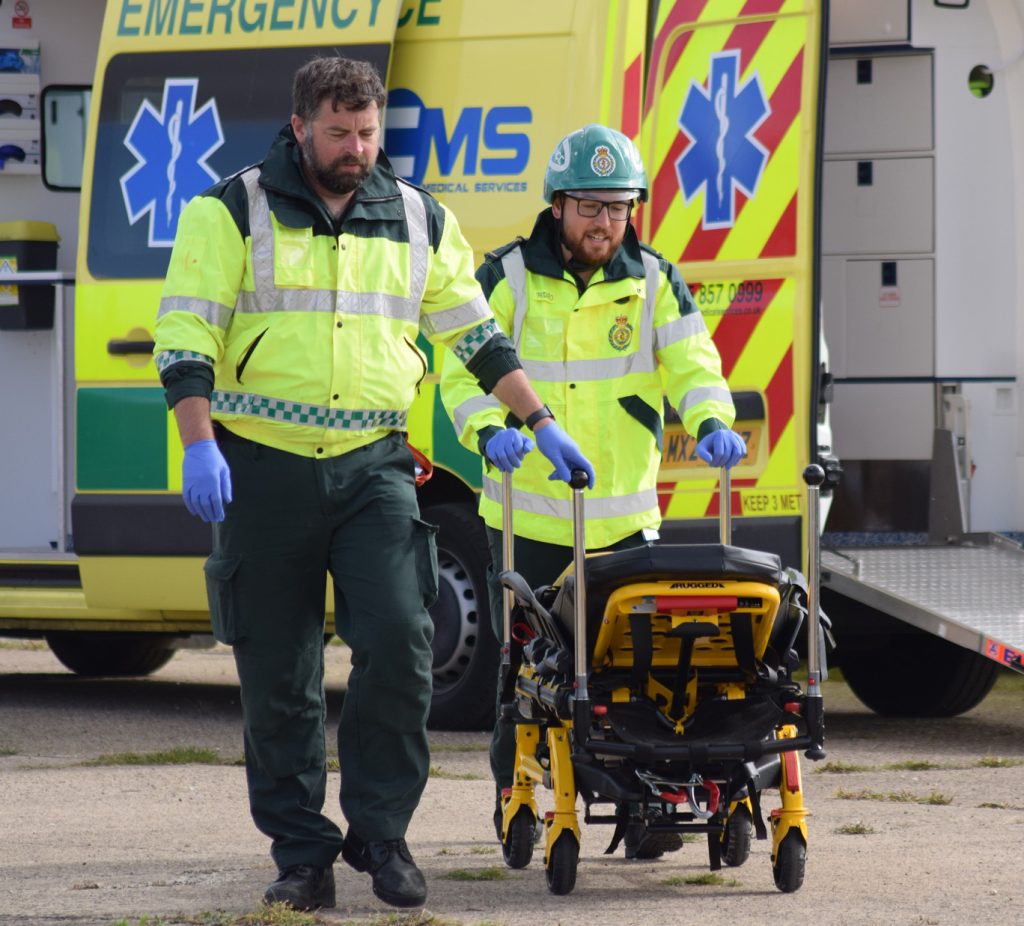
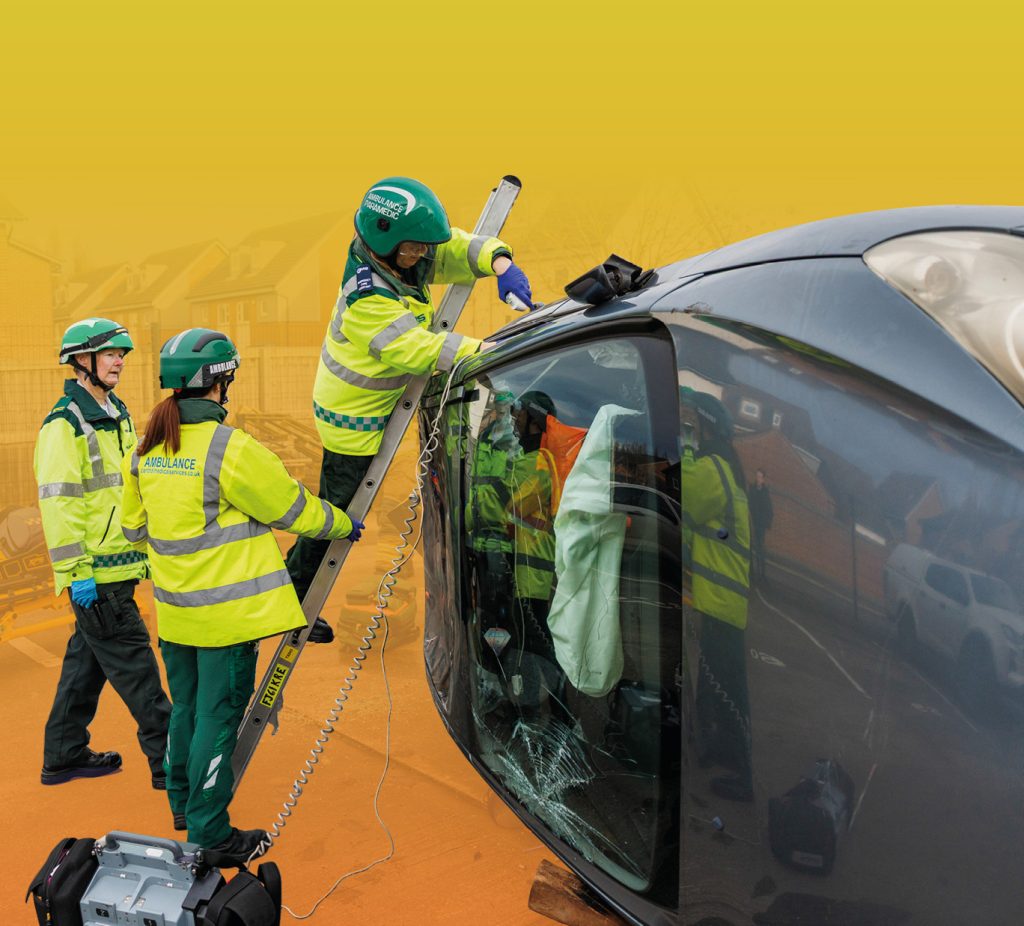
The essential entry point into prehospital care, building the practical skills and confidence to respond effectively in real emergency situations.
5th - 9th October
Limited Places
FREC 3 – Level 3 First Response Emergency Care (5-9 October 2026)
Qualsafe Level 3 Award in First Response Emergency Care from CMS Training.
The essential entry point into prehospital care, building the practical skills and confidence to respond effectively in real emergency situations.
20th - 24th October
Limited Places
FREC 3 – Level 3 First Response Emergency Care (20-24 October 2026)
Qualsafe Level 3 Award in First Response Emergency Care from CMS Training.
The essential entry point into prehospital care, building the practical skills and confidence to respond effectively in real emergency situations.
2nd - 6th November
Limited Places
FREC 3 – Level 3 First Response Emergency Care (2-6 November 2026)
Qualsafe Level 3 Award in First Response Emergency Care from CMS Training.
The essential entry point into prehospital care, building the practical skills and confidence to respond effectively in real emergency situations.